Soak the rice. Wash the rice and soak it in plenty of water for 4 to 6 hours. Drain well before grinding.
Grind the batter. Add the soaked rice, grated coconut, cooked rice and salt to a mixer. Add water a little at a time and grind until smooth. Aim for a pourable, medium-thick batter, similar to regular dosa batter. It should flow off the ladle rather than sit in a lump. There is no fermentation step.
Heat the pan. Heat a prepared clay vodu pan over medium-high heat, following its maker's guidance. A suitable non-stick or appam pan can also be used. Do not grease the cooking surface for this recipe. With a clay pan, bring it up to heat gradually.
Whisk and pour. Give the batter a little whisk, then pour a large ladleful into the centre of the hot pan. Do not spread it with the ladle as for a regular dosa. Let the rotti settle on its own.
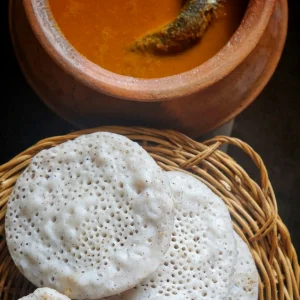
Cover and cook. Tiny holes will begin to appear on the surface. Cover with a lid, lower the heat and cook for about 1 to 2 minutes, or until the top is fully set with no wet or gooey batter remaining. The exact time will depend on the pan and the thickness of the rotti.
Lift it off. Gently loosen and remove the cooked rotti. Do not flip it. Stir or whisk the batter before making the next one, and repeat with the remaining batter.
Serve hot. Bring them straight to the table with Buthai Gassi, Kori Gassi or a favourite Mangalorean curry. For me, this is exactly the sort of meal a rainy day calls for.