Soak overnight. Wash the idli rice, Matta rice and urad dal. Soak each separately in plenty of water overnight. Drain before grinding.
Wake up the yeast. Put the 2 teaspoons of sugar and yeast into a little lukewarm water. Cover and leave for about 10 minutes, until it froths well. I use this time to start grinding. The water should be lukewarm, not hot.
Grind separately. Grind each rice variety and the urad dal separately into fine, smooth batters, adding water gradually as needed. The smoother the better.
Bring the batters together. Combine them in a large bowl with plenty of room for rising. Add salt and enough water to make the mixture slightly thinner than idli batter. Stir in the frothy yeast mixture. The batter should have a gentle sweetness, so add another teaspoon or two of sugar if needed.
Let it rise. Cover and leave to ferment until the batter doubles. This often takes around 3 to 5 hours in my kitchen, but I have seen it rise within 2 hours in some weather conditions. Keep an eye on it. I prefer grinding early in the morning so I can watch it.
Prepare the moulds and steamer. Grease the gindalas generously with coconut oil. Get the steamer ready with boiling water before adding the filled moulds.
Scoop gently. Once the batter has doubled, do not stir it. Gently scoop it into the greased moulds, filling each to less than halfway so there is room for it to rise.
Steam. Put the moulds into the steamer, cover and steam for about 12 minutes, until the Sannas are cooked through. If using different-sized moulds, allow extra time as needed. A skewer inserted into the centre should come out without wet batter.
Cool and unmould. Let them cool before removing them. My easy way is to turn the moulds upside down over a plate and put a damp cloth over their bases. The Sannas usually drop out. For a stubborn one, gently ease it away from the edge with clean fingers or give the mould a little tap.
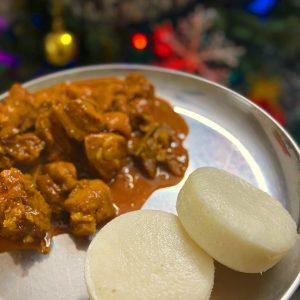
Serve. Bring them to the table with Pork Indad or Bafat, ready for all that lovely gravy.